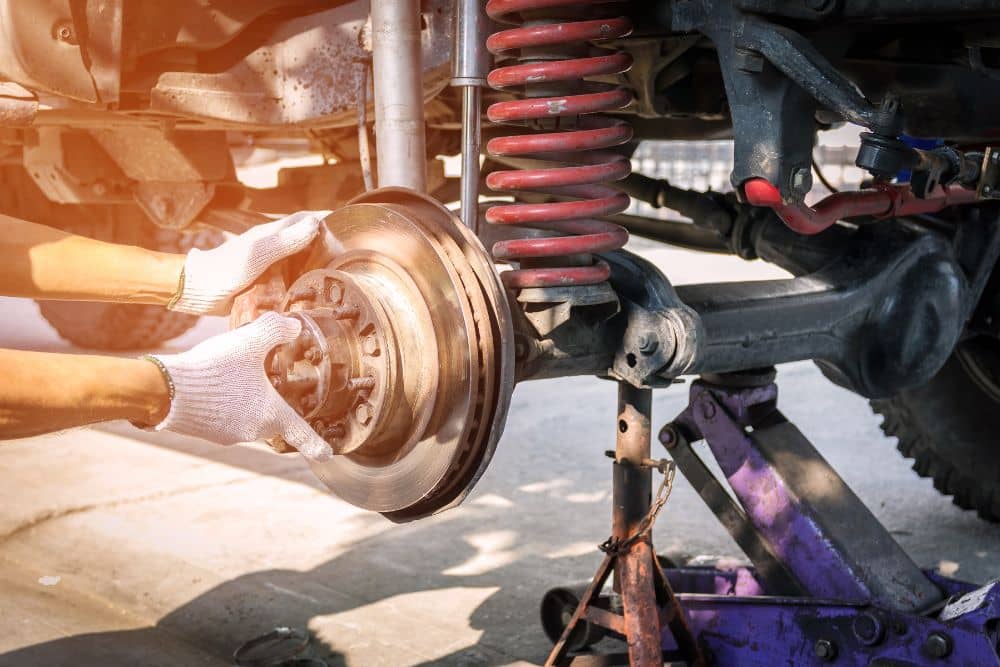
Tire Services: Ensuring Safety and Performance on the Road
Tires are one of the most critical components of your vehicle, directly affecting safety, handling, and fuel efficiency. Regular tire maintenance and services are essential

Tires are one of the most critical components of your vehicle, directly affecting safety, handling, and fuel efficiency. Regular tire maintenance and services are essential

The suspension system of your vehicle is critical for ensuring a smooth and comfortable ride. It helps absorb shocks from the road, keeps your tires
Understanding the various components of your vehicle's suspension system is essential for maintaining optimal performance and safety. This guide covers everything from basic terminology to the intricate workings of shocks, struts, and other suspension elements.
By familiarizing yourself with the suspension system, you can better appreciate how it contributes to vehicle handling, ride comfort, and overall safety. For instance, knowing the difference between shocks and struts can help you make informed decisions when it comes to repairs or upgrades.
Recognizing the warning signs of suspension problems can save you from costly repairs down the road. Common indicators include uneven tire wear, a bumpy ride, or a vehicle that pulls to one side when driving.
If you notice these symptoms, it's crucial to have your suspension system inspected by a professional. Early detection of issues can prevent further damage and ensure your vehicle remains safe and reliable on the road.
Regular maintenance of your vehicle's suspension system can enhance its longevity and performance. Routine checks can help identify wear and tear before they escalate into major problems, ensuring a smoother ride and better handling.
Additionally, maintaining your suspension can improve fuel efficiency and extend the life of your tires. Investing in regular service not only enhances your driving experience but also contributes to your vehicle's overall safety and reliability.
If you're interested in checking your vehicle's suspension system yourself, there are several straightforward steps you can take. Start by visually inspecting the shocks and struts for any signs of leaks or damage, and check for any unusual noises when driving over bumps.
While a full inspection is best left to professionals, basic DIY checks can help you stay informed about your vehicle's condition. Remember, if you encounter any serious issues, it's always best to consult with a qualified mechanic for a thorough evaluation.
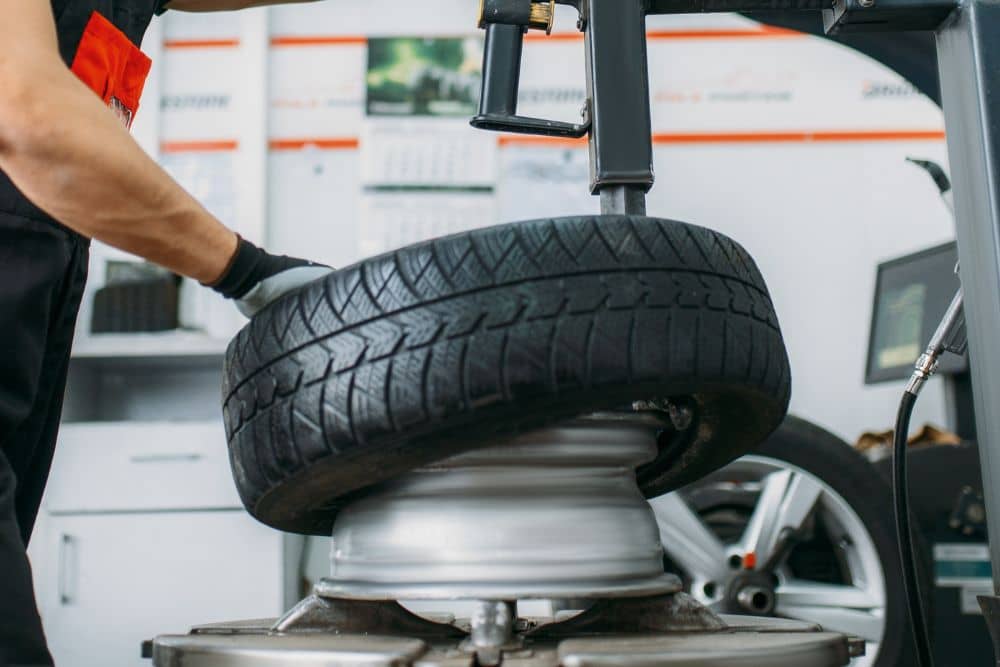
Understanding the various components of your vehicle's suspension system is essential for maintaining optimal performance and safety. This guide covers everything from basic terminology to the intricate workings of shocks, struts, and other suspension elements.
By familiarizing yourself with the suspension system, you can better appreciate how it contributes to vehicle handling, ride comfort, and overall safety. For instance, knowing the difference between shocks and struts can help you make informed decisions when it comes to repairs or upgrades.
Recognizing the warning signs of suspension problems can save you from costly repairs down the road. Common indicators include uneven tire wear, a bumpy ride, or a vehicle that pulls to one side when driving.
If you notice these symptoms, it's crucial to have your suspension system inspected by a professional. Early detection of issues can prevent further damage and ensure your vehicle remains safe and reliable on the road.
Regular maintenance of your vehicle's suspension system can enhance its longevity and performance. Routine checks can help identify wear and tear before they escalate into major problems, ensuring a smoother ride and better handling.
Additionally, maintaining your suspension can improve fuel efficiency and extend the life of your tires. Investing in regular service not only enhances your driving experience but also contributes to your vehicle's overall safety and reliability.
If you're interested in checking your vehicle's suspension system yourself, there are several straightforward steps you can take. Start by visually inspecting the shocks and struts for any signs of leaks or damage, and check for any unusual noises when driving over bumps.
While a full inspection is best left to professionals, basic DIY checks can help you stay informed about your vehicle's condition. Remember, if you encounter any serious issues, it's always best to consult with a qualified mechanic for a thorough evaluation.